06/01/2025

What is Emotional Intelligence?

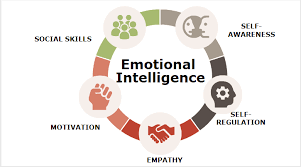
Emotional Intelligence (EI), or Emotional Quotient (EQ), is the ability to recognize, understand, manage, and influence emotions—both your own and those of others. It’s an essential skill for navigating life, whether in personal relationships, the workplace, or any other social setting. Here’s a breakdown of the key components:

Self-Awareness

  • What it is: The ability to recognize and understand your own emotions and how they affect your thoughts and behavior.
  • Why it matters: Self-awareness is the foundation of emotional intelligence. When you can identify how you’re feeling and why, you’re better equipped to manage your emotional responses.
  • Example: You notice that you’re feeling frustrated at work, and you pause to ask yourself, “Why am I frustrated?” rather than just reacting impulsively. This allows you to understand your triggers and make informed decisions.

Self-Regulation

  • What it is: The ability to manage or control your emotions, especially in difficult situations, and to remain calm and collected.
  • Why it matters: Self-regulation allows you to think before you act, reducing the likelihood of impulsive reactions or emotional outbursts.
  • Example: If you’re angry during a meeting, you resist the urge to snap at someone and instead take a deep breath, giving yourself a moment to collect your thoughts before responding.

Motivation

  • What it is: The ability to stay driven and focused on your goals, even when facing setbacks or challenges, while maintaining a positive attitude.
  • Why it matters: Motivation helps you maintain momentum and stay productive, even when faced with obstacles.
  • Example: When you face a failure or setback, instead of getting discouraged, you focus on how you can learn from the experience and keep moving forward.

Empathy

  • What it is: The ability to understand and share the feelings of others, and to respond with care and consideration.
  • Why it matters: Empathy fosters strong relationships, trust, and collaboration. It’s crucial for understanding how others are feeling and for building meaningful connections.
  • Example: If a friend is going through a tough time, you listen attentively, acknowledging their feelings, rather than just offering advice or dismissing their emotions.

Social Skills

  • What it is: The ability to navigate and manage social interactions, build relationships, and communicate effectively.
  • Why it matters: Social skills are essential for working well with others, resolving conflicts, and creating a positive, supportive environment.
  • Example: In a team setting, you can communicate clearly, offer constructive feedback, and collaborate smoothly with colleagues, even when there are differences in opinion.

Why Emotional Intelligence is Important:

  • Improved Relationships: High EQ helps you connect better with others, leading to stronger personal and professional relationships.
  • Better Decision Making: By understanding and managing your emotions, you make more rational and thought-out decisions.
  • Reduced Stress: When you’re in tune with your emotions, you can better handle stress, leading to greater emotional resilience.
  • Conflict Resolution: High EQ allows you to approach disagreements with a calm and balanced mindset, helping you resolve conflicts more effectively.
  • Increased Success: Emotional intelligence is often linked to higher levels of success in both personal life and career, as it helps you build rapport, navigate challenges, and lead others effectively.

How to Develop Emotional Intelligence:

  • Practice Mindfulness: Pay attention to your thoughts and emotions in the present moment without judgment.
  • Reflect on Your Emotions: Regularly take time to reflect on your emotional responses and how you can manage them better.
  • Improve Communication: Listen actively, be clear in expressing your own emotions, and seek to understand others’ emotions.
  • Seek Feedback: Ask trusted friends, family, or colleagues for feedback on how you handle emotions and social interactions.
  • Learn Stress Management Techniques: Practice deep breathing, meditation, or other techniques to help you stay calm under pressure.

By developing emotional intelligence, you can improve your personal growth, manage challenges with resilience, and create more fulfilling relationships. It’s not a fixed trait—it’s something you can actively work on and improve over time.