Leadership Conversations for Today’s Leaders
Helping leaders navigate accountability, communication, trust, influence, and leadership growth with greater confidence and clarity.
✓ Practical Leadership Insights
✓ Real-World Workplace Challenges
✓ Actionable Strategies
✓ Coaching-Informed Perspectives
Watch on YouTube | Explore Courses | Work With Sonia
Leadership Growth Starts Here
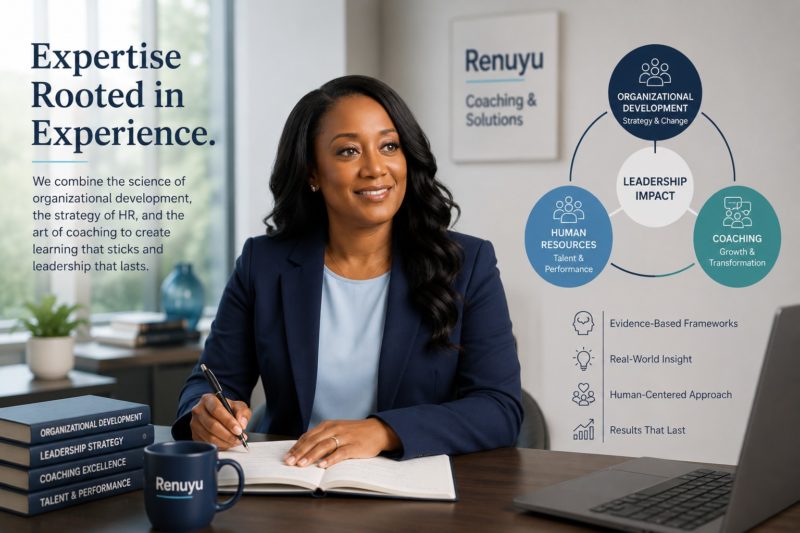
Leadership is rarely transformed by information alone. It shifts through awareness, reflection, and intentional action.
The Leadership Shift is a leadership development platform created by Sonia Jenkins to help leaders strengthen their communication, leadership presence, accountability, emotional intelligence, and ability to lead others effectively.
Through videos, courses, tools, and practical leadership insights, you’ll gain strategies you can immediately apply in your work and leadership journey.
Watch on YouTube: The Leadership Shift – YouTube
Work With Sonia: Coaching, consulting, and leadership development solutions designed to help individuals, teams, and organizations grow.
What You’ll Find Here:
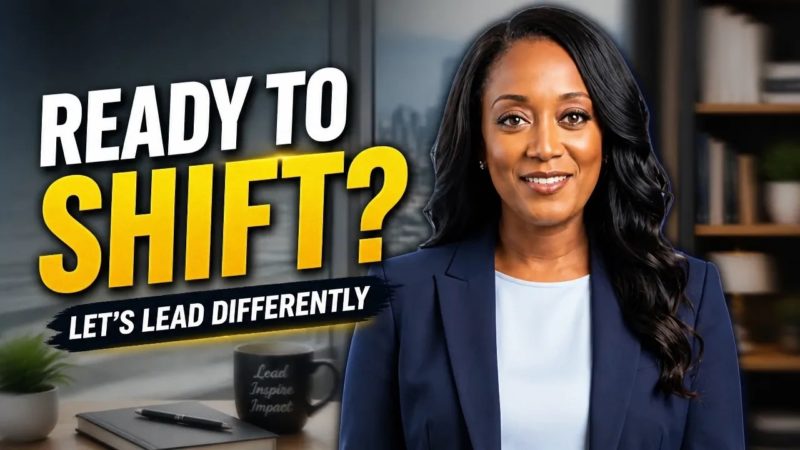
Leadership Videos: Short, practical leadership conversations designed to help leaders navigate real-world challenges.
-
People Feel Your Leadership Before They Hear It: https://youtu.be/Tt1oXkunJWQ?si=pQwiHxKE0hRlVn4m
-
The Silence Alert: Why The Team Has Stopped Talking: https://youtu.be/pq0ChS6ZFl8?si=ujO4O5LgaItRzm7C
-
Delayed Accountability Creates Tension: https://youtu.be/tl_fDrCA4nk?si=s5kQdMzunAdeq3Ff
-
New Manager: Why You Feel Like a Fraud: https://youtu.be/SndtdPCqnlE?si=gJ9IeoiynVvR8QPq
-
You’ve Outgrown Your Job: What to Do Next: https://youtu.be/Li6Jqi5NJYo?si=EbC9IYFrwOic2DET
-
Is Your Calendar Full of Small Rocks: https://youtu.be/tMKpI8uLC-Y?si=gKn7lnvQcFulM3a_
-
Five Things Leaders Are Rarely Prepared For: https://youtu.be/mU6FaPlis9c?si=liV_nOCjp05jeswe
Meet Sonia
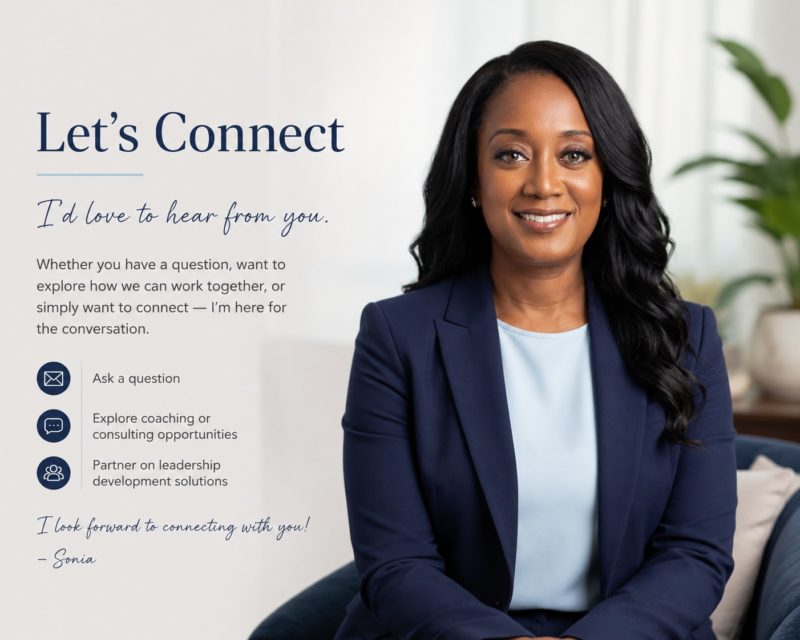
Sonia Jenkins is an HR Business Partner, Organizational Development Practitioner, Executive Coach, Leadership Development Consultant, and educator with over 24 years of experience helping leaders grow, influence, and lead effectively.
Through The Leadership Shift™, she combines practical leadership experience, coaching expertise, and organizational development principles to help leaders create meaningful and sustainable change.
Coaching & Consulting
Looking for deeper support?
Work with Sonia through:
- Executive Coaching
- Leadership Coaching
- HR & Organizational Consulting
- Leadership Development Programs
- Team Workshops
Schedule a Consultation: https://calendly.com/renuyucoachingsolutions/30min
Ready for Your Next Leadership Shift?
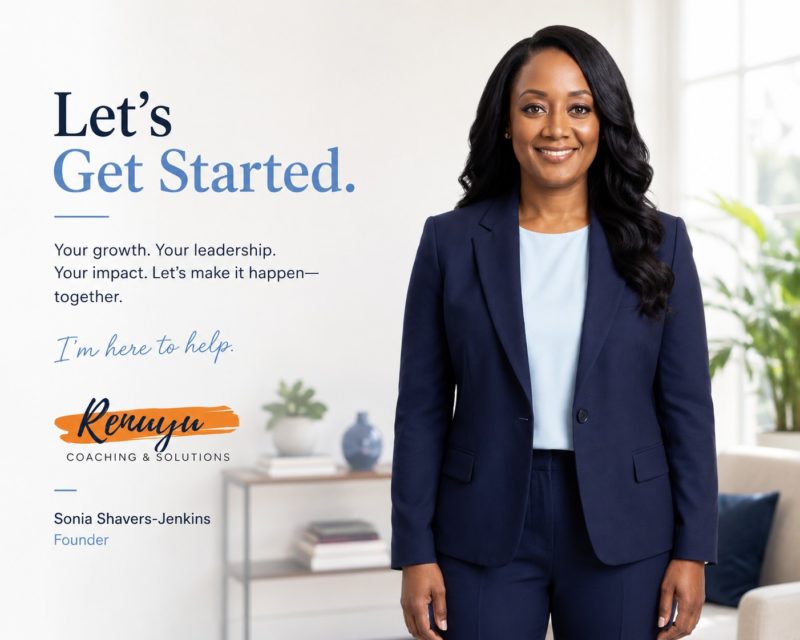
Whether you’re an emerging leader, experienced manager, HR professional, or executive, leadership growth begins with a shift in awareness and action.
Watch the latest videos. Explore leadership resources. Continue your leadership journey.
Visit The Leadership Shift on YouTube: https://www.youtube.com/@SoniaJenkinsCoaching